

Every generation inherits an economic model shaped by the values of the one before it.
For much of modern history, prosperity has been built on our ability to extract, manufacture and consume. We have become remarkably good at recognising value when it can be measured in tonnes, litres, units or profit. We know how to finance a factory, value a company and invest in infrastructure because these assets fit comfortably within the rules of our economy. They can be owned, traded and recorded on a balance sheet.
Yet the assets on which every economy ultimately depends have remained largely invisible.
Healthy soils. Clean rivers. Thriving ecosystems. Landscapes capable of producing food, storing carbon, reducing flood risk and sustaining biodiversity are not simply environmental outcomes. They are productive assets. Without them, every other part of the economy becomes more fragile. Despite this, our financial systems continue to reward the extraction of value far more effectively than the restoration of it.
This is not a criticism of markets. Markets only recognise what we ask them to recognise.
Perhaps the more important question is whether we are approaching the next stage of economic development—one in which restoring natural systems becomes something that creates measurable economic value. Not value as an abstract environmental aspiration, but value that attracts investment, rewards stewardship and strengthens the long-term resilience of places and communities.
If that sounds ambitious, it should.
Every major shift in economic history has begun by recognising a form of value that was previously overlooked. Land transformed agricultural economies. Machinery powered the Industrial Revolution. Knowledge and intellectual property reshaped the modern world. The digital economy created entirely new forms of wealth from software and data. Each transition changed not only what we produced, but what society chose to value.
The question now is whether restoration represents the next great economic transition.
ReGenerate was created on the belief that the challenges shaping our future cannot be solved by one sector acting alone. They require farmers, researchers, universities, businesses, investors, technologists and policymakers to work together around a shared purpose.
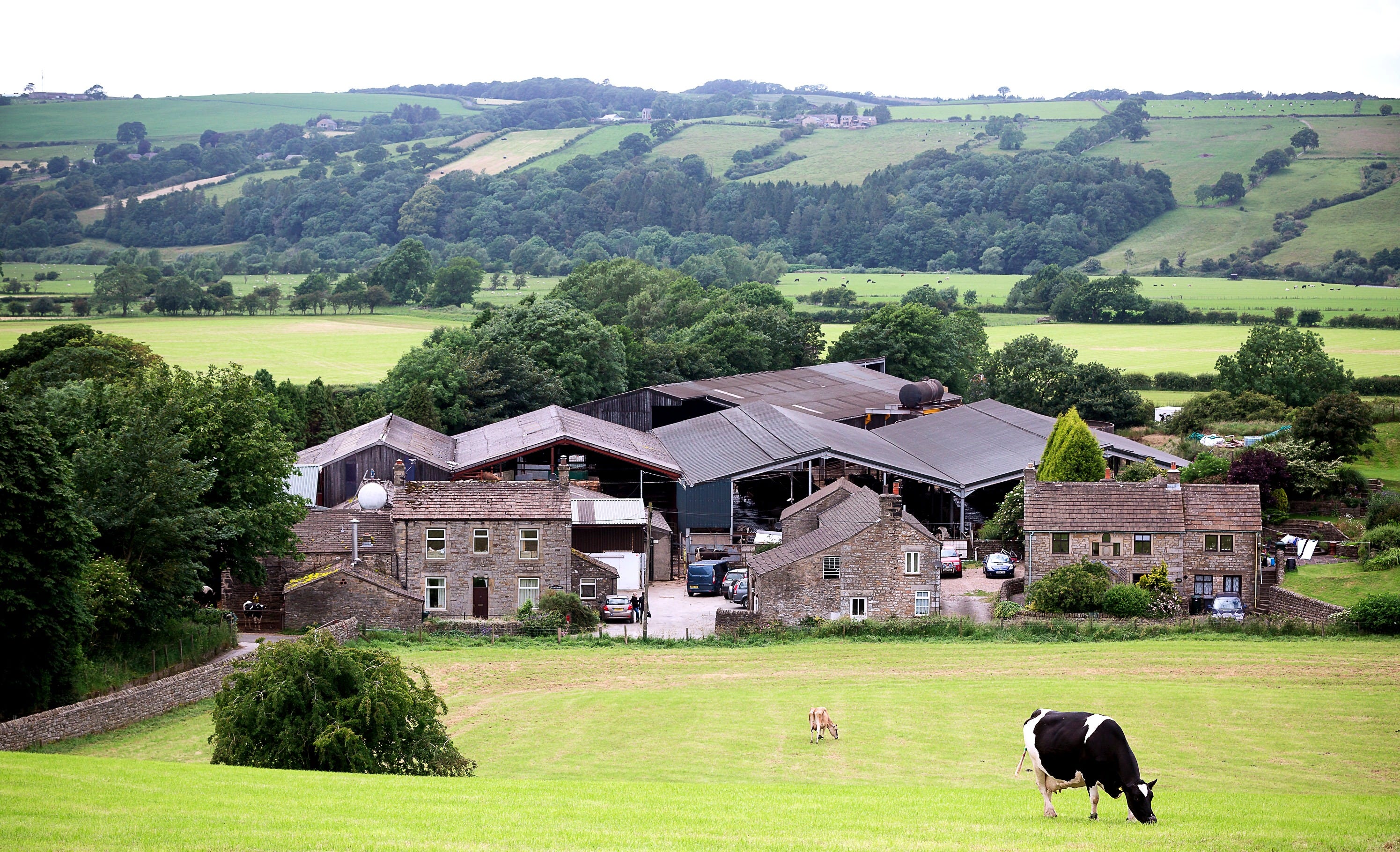
Earlier this month, we convened the founding meeting of the Brades Farm Pilot Project in Lancaster. Around the table were people who would rarely meet in the course of their everyday work, brought together not to defend existing systems but to explore whether a new one could be built.
The conversation was never really about a dairy farm.
It was about whether the measurable value created by restoring natural ecosystems could become the foundation of new financial assets, rewarding long-term stewardship while attracting investment into the landscapes on which every other part of the economy depends.
Brades Farm provides the place to explore that question.
Working with farmer Ed Towers, we are beginning to explore whether environmental outcomes can be measured with sufficient confidence to underpin new investable financial assets that recognise restoration alongside production. We are not claiming to have solved the challenge. We are creating the conditions in which it can be explored properly, bringing together expertise from across farming, science, finance, technology and enterprise.
The implications reach far beyond agriculture.
The same thinking could reshape how we value landscapes, tourism, water, biodiversity, rural enterprise and, ultimately, regional prosperity. Instead of asking how we pay for nature, we begin asking how the value created by healthy ecosystems can be recognised, evidenced and rewarded in ways that attract long-term investment.
That is what makes this different.
We are not attempting to place a price on nature. We are exploring how the economic value created through restoring nature can be recognised by financial systems that have traditionally rewarded extraction instead.
It is a subtle distinction, but an important one.
If we succeed, regeneration stops being viewed as a cost to be absorbed or a policy objective to be achieved. It becomes a productive part of the economy, creating new opportunities for investment, innovation and regional growth while strengthening the natural systems on which every other sector depends.
We are at the very beginning of that journey.
There are still more questions than answers. The models need testing. The evidence needs building. The partnerships need growing. But every significant economic transition has started with people prepared to explore an idea before the rest of the world recognised its significance.
Perhaps this is one of those moments.
The question is no longer whether healthy ecosystems create value.
They always have.
The question is whether we are ready to build an economy capable of recognising it.